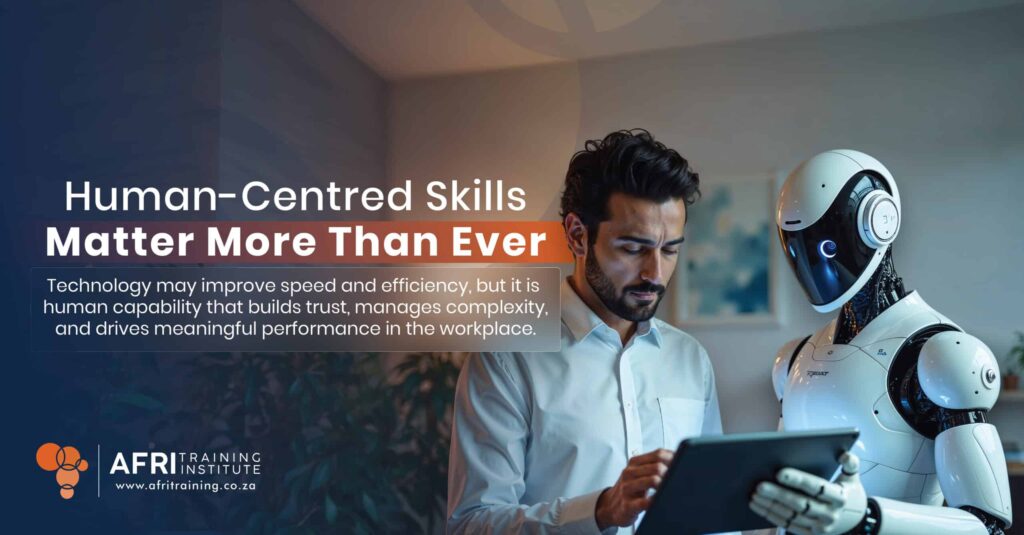
Technical skills may help employees perform tasks, but it’s soft skills training that makes teams truly effective. Communication, teamwork, leadership, and adaptability are critical to success in any workplace.
Here’s why soft skills training for employees is the secret to building stronger, more resilient teams.
What Exactly are Soft Skills?
Soft skills are personal attributes that enable effective interaction. Examples include:
- Communication skills training
- Team building training
- Employee leadership development
Unlike technical skills, soft skills transfer across industries and roles, making them essential for long-term success.
Why Soft Skills Training Matters for Businesses
Better Communication
Employees trained in business communication reduce misunderstandings and strengthen client relationships.
Enhanced Teamwork
Team building training courses improve trust, collaboration, and conflict resolution.
Stronger Leadership
Through employee leadership training, staff learn to motivate and guide others
Increased Adaptability
Soft skills like problem-solving and resilience prepare employees for change
The Business Impact of Soft Skills Training
Companies that invest in soft skills see:
- Higher customer satisfaction
- Increased employee retention
- Improved workplace culture
- Stronger business performance overall
How to Implement Soft Skills Training in Your Business
- Introduce short workshops focused on communication and teamwork
- Offer online skill development courses for flexibility
- Combine with management training for long-term growth
Conclusion
Soft skills training for employees is not optional, it’s the foundation of strong, collaborative, and adaptable teams.